

Caste Origins
What Isabel Wilkerson’s Book and Ava DuVernay’s Film Reveal About the Power and Peril of America’s Social Order

Before we talk about how Caste changed me, we need to be honest about what we mean when we say the word. In Caste: The Origins of Our Discontents, Isabel Wilkerson doesn’t just present racism as a moral failing. Wilkerson reframes it as the foundation of an unspoken social hierarchy. One that was carefully designed and violently enforced. One that still shapes our lives today, even if we don’t name it.
Caste is not about individual attitudes. It’s not just about who’s “nice” or “not racist.” It’s about structure. It’s about the embedded rules that determine who gets the benefit of the doubt, who gets access, and who gets to belong. Wilkerson compares the American caste system to those in India and Nazi Germany, showing how arbitrary traits like skin color or religion have been used across time and culture to lock people into positions, then call it order.
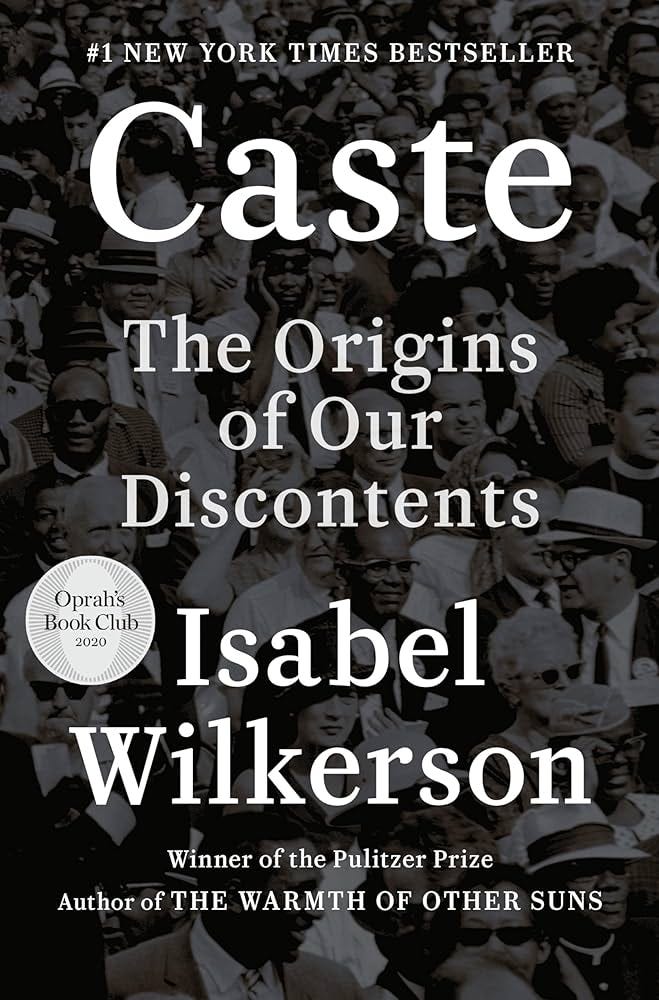
Reading Caste felt like someone was turning on a light I didn’t know I needed. It didn’t just give me new language. It gave me a new lens.
Finding the Book During the Fire
The summer of 2020 cracked something open in this country. The murders of George Floyd, Breonna Taylor, and Ahmaud Arbery sparked protests across the globe, and for a brief, flickering moment, it seemed like America was finally ready to listen. But for many of us, especially Black journalists, those weren’t just stories. They were wounds.
I was in the field, producing reports that demanded clarity and calm while I was emotionally unraveling inside. It felt like I was documenting my own trauma in real time. There was no pause to grieve, no room to fall apart. Just deadlines. Live shots. Edits. Truth-telling, even when it hurt.
That’s when I found Caste.
Reading Isabel Wilkerson’s words felt like someone finally articulated the ache that had been living in my bones for years. She didn’t just chronicle racism; she revealed the machinery behind it. She named the thing that made 2020 feel so heavy. The unrelenting weight of an inherited structure designed to dehumanize.
Caste didn’t take away the pain. But it gave me clarity. It reminded me that what we were living through wasn’t chaos. It was the system, functioning exactly as it was built. And once I saw that, I couldn’t unsee it.
Sharing the Mirror
In the midst of that nonstop coverage, my phone kept lighting up with calls and texts from White friends and colleagues, people I love and trust, asking how they could help, what they could read, where they should start. I heard genuine concern in their voices, not performative guilt. They wanted to understand the weight we were carrying and shoulder a piece of it themselves.
So I started gifting them Caste.
I tucked handwritten notes inside the front cover that said, “Start here. Sit with it. Then let’s talk.” Because Wilkerson does what few writers can: she turns a hidden architecture into something you can’t ignore. I figured if this book could give me language for my pain, it could give my friends language for their empathy, and maybe a blueprint for meaningful action.
Some called me in tears halfway through chapter three. Others texted me passages at 2 a.m. with a simple, “I had no idea.” Each reaction reminded me that conversations about race don’t have to start with defensiveness. They can start with curiosity, honesty, and a willingness to see the system for what it is.
Gifting Caste wasn’t about handing out homework; it was about handing over a mirror. And many of them chose to look.
Who Is Isabel Wilkerson?
Isabel Wilkerson is not just an author. She is a historian of humanity, digging for truth like an anthropologist unearthing the bones of our original sins. A Pulitzer Prize-winning journalist and the first African American woman to win the award for individual reporting, Wilkerson has spent her life documenting the lived realities beneath America’s polished narrative.
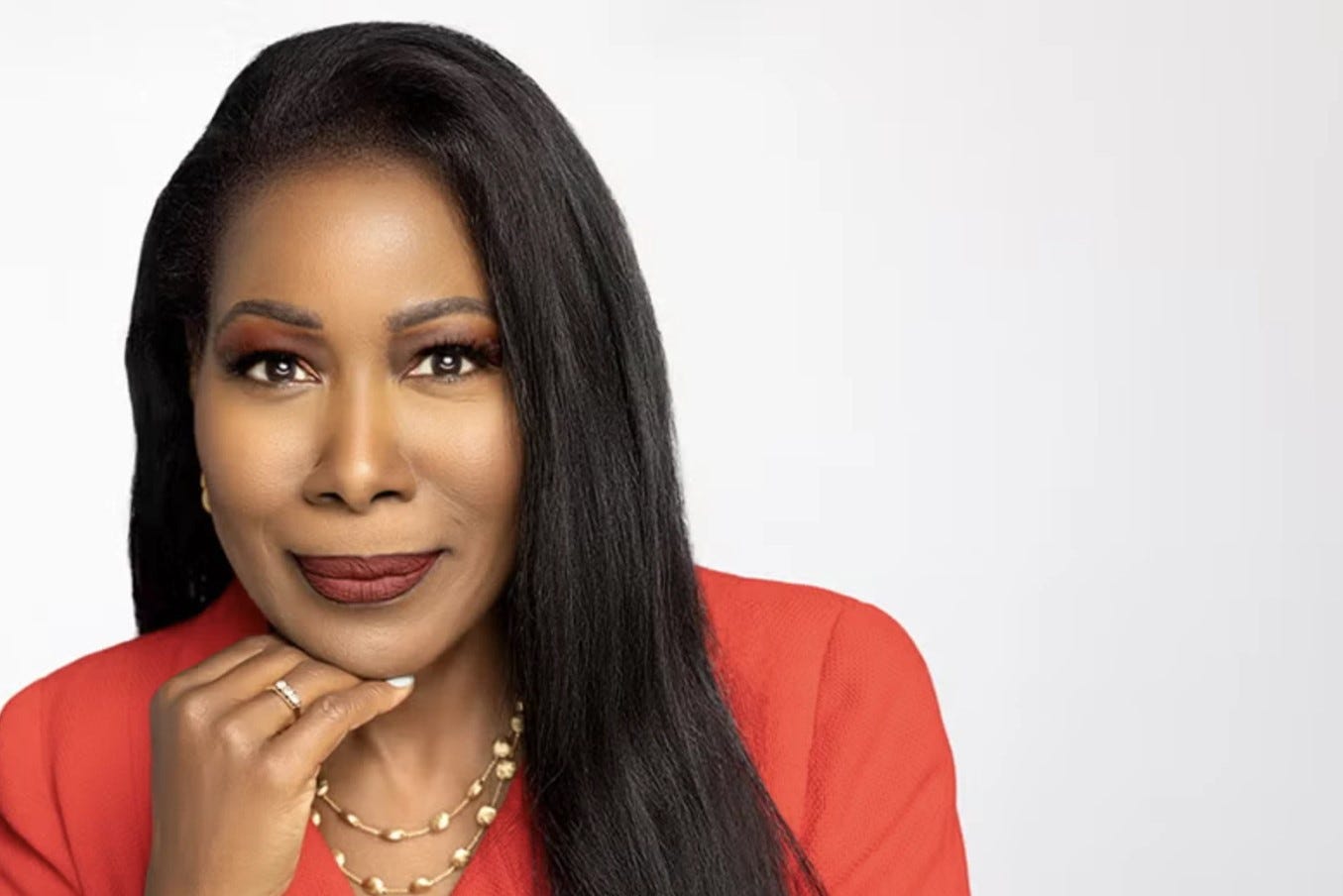
Before Caste, she gave us The Warmth of Other Suns, a sweeping, deeply human retelling of the Great Migration. That book alone was a masterwork, but Caste took her into a new realm. She didn’t just dare to name the water we swim in; she descended even deeper, not just into racism, but into the very foundation upon which it was built.
Wilkerson approached this work not just as a scholar, but as someone intimately familiar with being positioned, excluded, categorized. Her writing reflects a level of restraint and precision, but also a clear-eyed moral clarity. She made the invisible visible, comparing America’s racial hierarchy to India’s caste system and Nazi Germany’s racial codes, not to sensationalize, but to contextualize. To show the architecture of our hierarchy.
She wrote not to shame, but to reveal. And that takes courage.
Ava DuVernay: The Director Who Sees Us
I am a journalist by profession, but a storyteller by heart. And if there’s one filmmaker who makes my heart swell with every frame, it’s Ava DuVernay.
Speaking now as a woman, not a reporter, Ava is my favorite director. Full stop.
She has a way of telling truth that is both gentle and gutting. She makes the abstract intimate and the systemic personal.
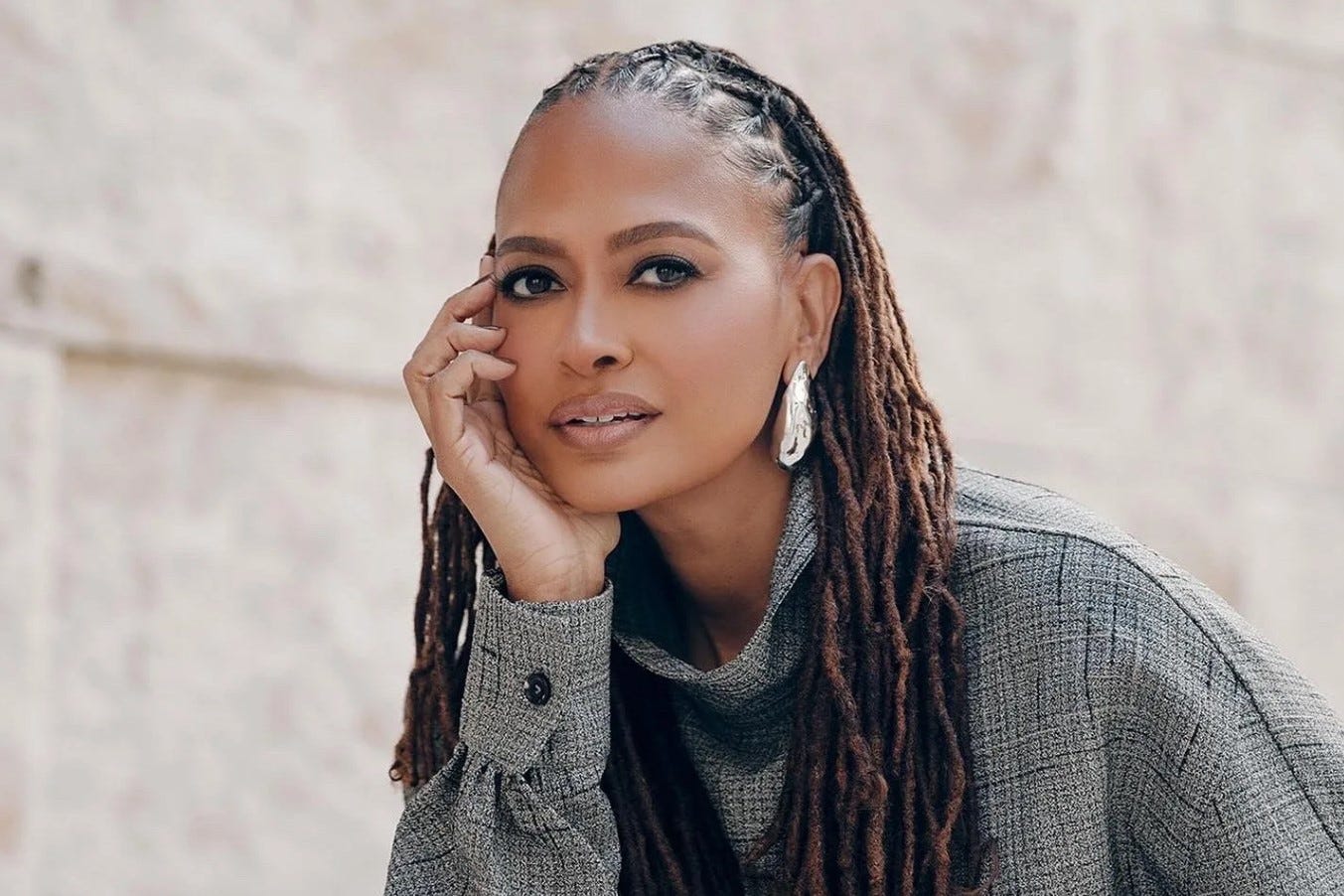
Ava is a weaver of light and legacy. A daughter of Compton who turned curiosity into cinema, who built her own door when Hollywood wouldn’t open one, and invited others through it. Her lens holds us. Her pen frees us. She is not afraid to interrogate power or to center the stories of people most often overlooked.
Whether she’s directing Selma, When They See Us, 13th, or creating the episodic magic of Queen Sugar, Ava never flinches. She dignifies Blackness, complexity, and grace, and does it all while cultivating joy, community, and care behind the camera. Her work is art, but it’s also infrastructure, laying emotional and cultural foundation for her vision of better future.
She is the kind of creator I study, admire, and quietly hope to emulate, not because I want to make films, but because I want to leave behind something as meaningful as the work she’s put into the world.
When Legends Collide
I still remember when the news broke: Ava DuVernay would be adapting Caste for the screen. My jaw dropped. Two women I deeply admire; one who investigates power structures with a journalist’s lens, the other who directs with purpose and emotional clarity, coming together to tell the truth out loud. Joining forces to explore the most entrenched hierarchy in American life.

It didn’t feel like a movie announcement. It felt like a cultural moment. Ava had already shown us, through When They See Us what it looks like for my community to navigate a system designed to work against us. Her storytelling doesn’t just inform, it indicts, uplifts, and demands accountability. And Isabel Wilkerson had done what few writers dared to do: she exposed not just racism, but the scaffolding that upholds it. I remember feeling proud, like, ‘Yes, this is what happens when Black women are given space to lead.’ We don’t just tell stories. We change the lens. We shift culture. We reclaim the narrative. I knew this wasn’t just about entertainment. This was going to be a mirror held up to the nation.
From Prologue to Premiere
Ava DuVernay’s film Origin, adapted from Isabel Wilkerson’s Caste: The Origins of Our Discontents, had its world premiere at the Venice Film Festival on September 6, 2023. It was historic. Not just because of the subject matter, but also because Ava was the first African American woman to have a film in competition at Venice’s 80-year history.
But Origin is not a traditional adaptation. Ava didn’t just lift passages from Wilkerson’s book and put them on screen. She wove them. Layered them. Expanded them.
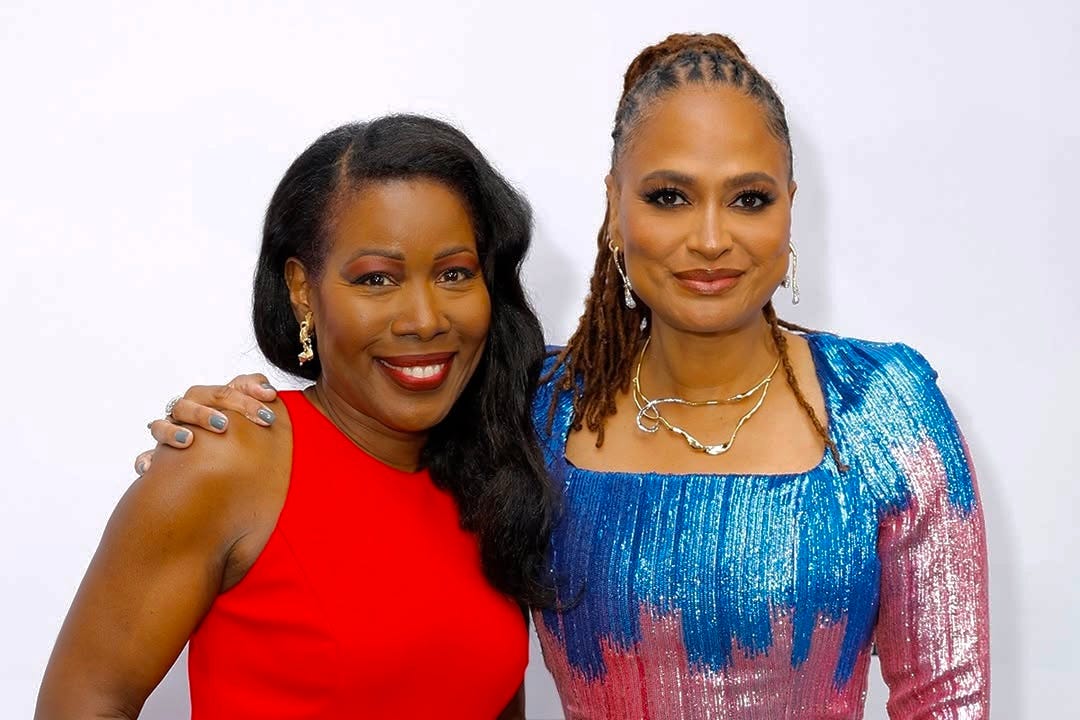
Instead of simply dramatizing the systems Wilkerson exposed, Ava gave us a portrait of the woman behind the research. The film doesn’t just show the pain of our caste system; it shows the cost of telling the truth about it. The loss. The grief. The solitude of a writer who has to walk through fire just to light a path for the rest of us.
It was bold. Intimate. Unapologetically Black. And deeply human.
There are stories that entertain, and then there are stories that excavate. Ava DuVernay does the latter. When I first held Isabel Wilkerson’s book, Caste, I didn’t know I’d one day produce a story with the director who would bring it to life. But here I am, both participant and witness to the legacy. A legacy of truth-telling. Of consciousness-raising. Of choosing not to look away.
It was the premiere episode of the second season of America in Black, a show I helped build from brainstorm to broadcast. Every detail mattered. Every story was intentional. And when we had the opportunity to sit down with Ava DuVernay to talk about Origin, it felt like a full-circle moment.
Here was a woman who had taken Isabel Wilkerson’s words and molded them into something visual, visceral, and unforgettable. And here I was, a journalist shaped by the very themes both women explore, trying to tell stories that not only inform but also transform. Ava spoke with the clarity of a filmmaker and the conviction of someone who knows the stakes. Watching her speak about the film, about Caste, about her untraditional path to becoming a filmmaker, I felt deeply affirmed. I was helping show the world the heart of someone who believes, as I do, that truth is sacred.
“The Feeling That You Get”
There’s a moment in our interview with Ava DuVernay that I will never forget. The reporter, who is Soledad O’Brien, asks if she felt the Oscars snubbed Selma. Ava doesn’t flinch. Instead, she asks softly, “Do you remember what won that year?” O’Brien admits, “No, of course not.”
Then Ava says something that stopped me cold.
“For the benchmark of our excellence and achievement to be rendered within the context of these systems that are not really looking our way… it underestimates what we’re doing. Oscars are great. I’m very honored to be an Academy Award nominee. But also, the way that people offer their memories to me, their stories, the feeling that you get when someone’s holding your hand and telling you what something you made meant to them, that is priceless.”
As a journalist and producer, I’ve seen many interviews. But this one rewired my brain.
Because Ava wasn’t just talking about Selma. She was talking about how we measure our success. She was talking about how we measure value in a world that often overlooks us. And in that moment, I saw myself in her answer. I saw the work I do, the stories I fight for, the people I center, not as entries on a résumé, but as seeds; ones I hope will grow and live on in someone’s memory, long after the accolades fade.
That’s what it means to be a journalist who leads with intention. That’s what it means to tell the truth anyway.
What We Choose to Carry
Origin isn’t just a film. It’s an emotional curriculum. A love letter to those who wonder why the weight they carry feels heavier than most. It dares to map the unseen systems; caste, class, supremacy, that shape everything from our housing to our healthcare, our headlines to our histories.
Watching it, I didn’t just see the words of Wilkerson and the lens of DuVernay. I saw my own reporting. I saw my hometown, Gary, Indiana. I saw Breonna. I saw George. I saw Ahmaud. I saw every story I’ve told where someone whispered, ‘Thank you for seeing me.’
Because Origin is about exactly that, what we choose to carry, and for me, the choice is always people. Always truth. Always legacy.
In a world that moves fast and forgets faster, I want my stories to linger. To light a path. To say, this happened. And someone cared enough to write it down.
So here’s my invitation:
Read the book. Watch the film. Talk about both. With your students. With your aunties. With your friends at work. With your neighbors. Let the ideas move through you. Let them challenge the parts of you that have gone unquestioned.
Because if we’re brave enough to look in the mirror, as Michael said, and smart enough to study the foundation beneath our feet, then maybe, just maybe, we can build something better.
One brick of truth at a time.
You can watch Origin on Hulu with a subscription. And you can buy Caste from a Black-owned bookstore. Here’s one I recommend: Black Bookstore, because where we spend our dollars is part of the story, too.




Thank you for this beautiful reflection! It moved me. 🙏🏾
Caste is a book that everyone, but especially well-meaning but clueless white ladies (points at self) should read. (Or listen to, if audiobooks are more your jam.) It is SO rich, so well-documented and yet so readable. It's history that I, for one, was never taught in school.
Caste really changed how I think about the USA, and the world. I didn't see, however, how even a talented film maker like DuVernay could cover the whole thing. Of course, she didn't. What she did do was pull the curtain back to show us the writer/researcher, behind those powerful pages. I watched Origins (and sobbed through most of it), because I had no idea what Wilkerson went through to produce that masterpiece. DuVernay included enough snippets of the work itself to get a feel for it, to perhaps encourage those who hadn't yet read Caste, to do so.
Thank you for this piece. I hope it's an impetus for your readers to read/listen to/watch these important works.