

Substack Forgot I Existed
A technical glitch has become an unexpected meditation on identity, grief, and the human need to be remembered.

I logged into Substack this week for the first time in a long time.
According to my profile, I had no subscribers. I wasn’t following anyone. My publication isn’t connected to my account.
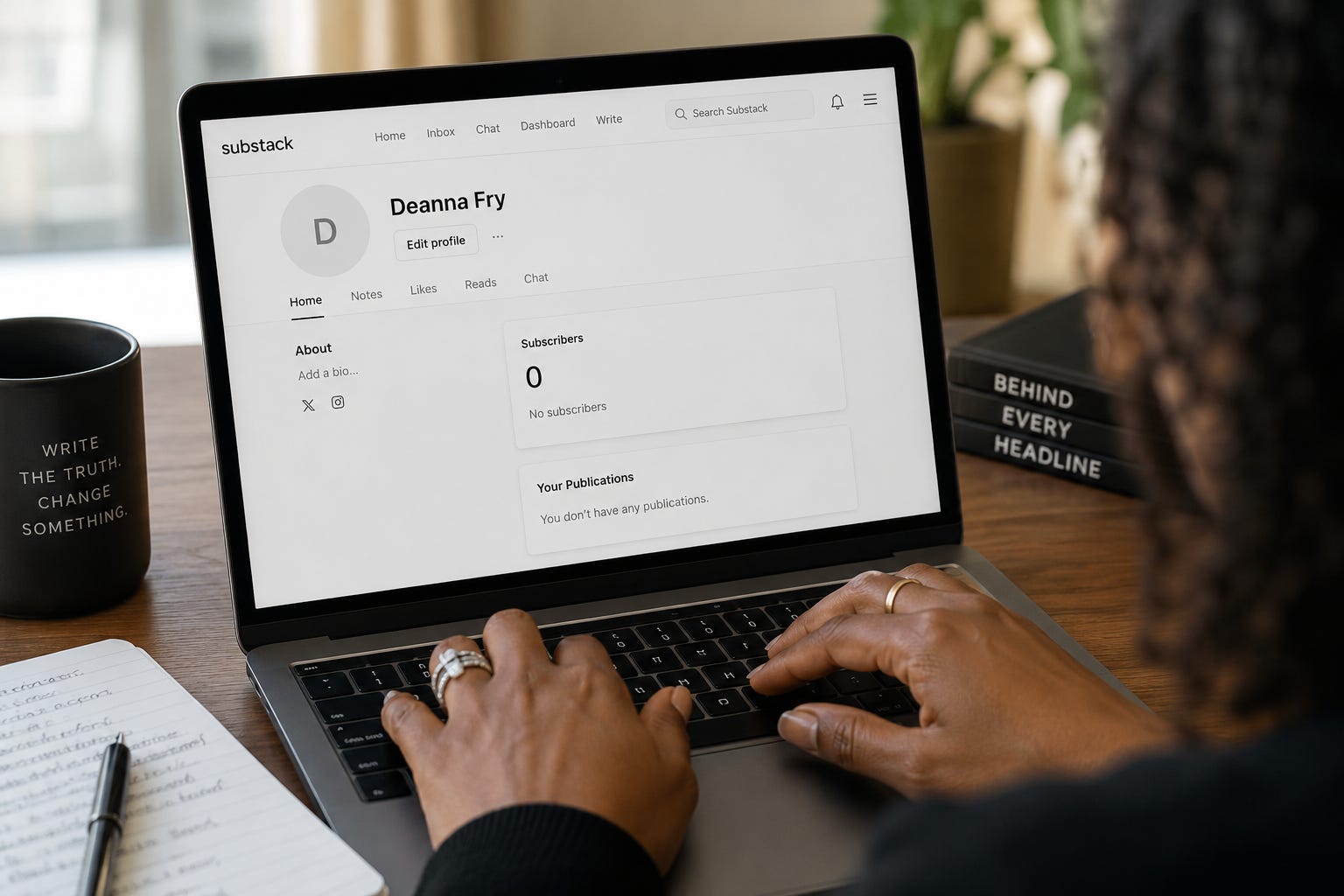
Even stranger, every essay I’d written had lost its author. One by one, I had to open each post and reassign myself as the writer.
Imagine introducing yourself to your own work. Imagine clicking through years of essays and repeatedly telling a computer: I wrote this.
It’s almost certainly a bug.
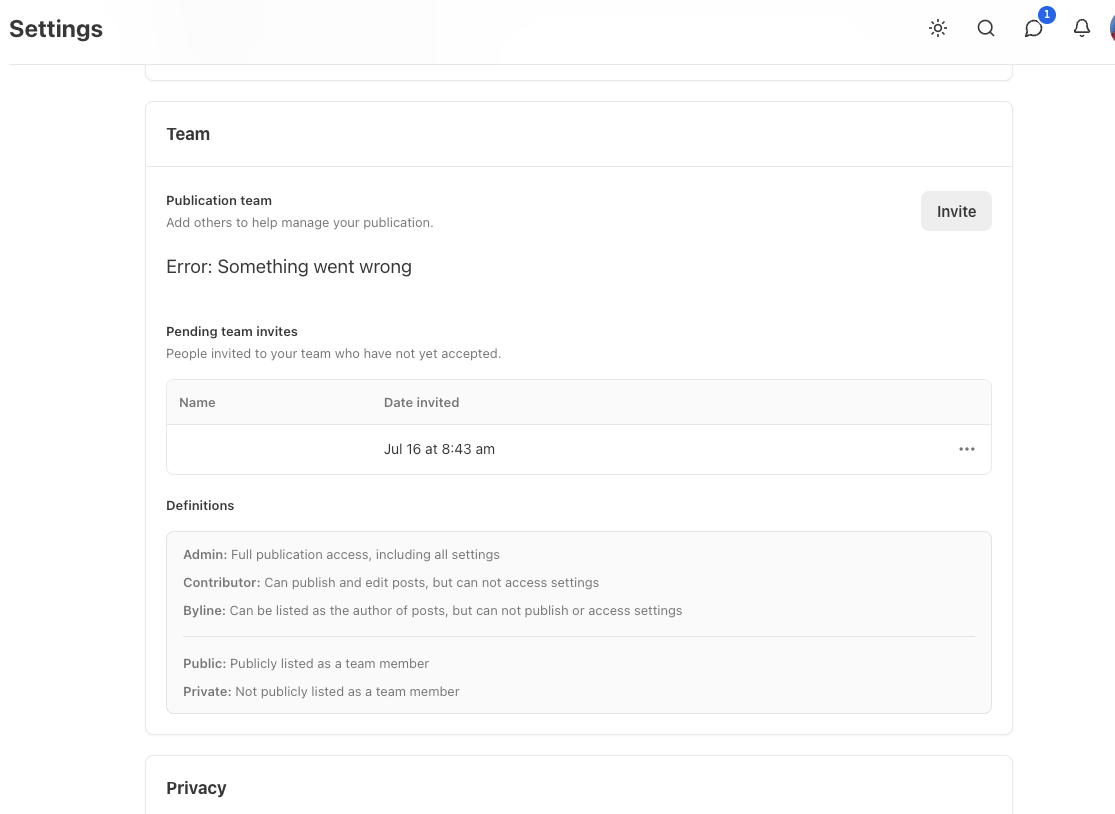
The Substack Team has escalated the issue, and I’m sure some engineer somewhere is trying to untangle whatever database knot convinced the platform that my publication belonged to no one.
Eventually, someone will reconnect the wires. My subscribers will reappear. My profile will remember me. The software will catch up with reality.
But while I sat there clicking “Author: Deanna Fry” over and over again, I realized how much that tiny act unsettled me. Because it felt familiar.
For as long as I can remember, I’ve been introducing myself to things that should have already known me.
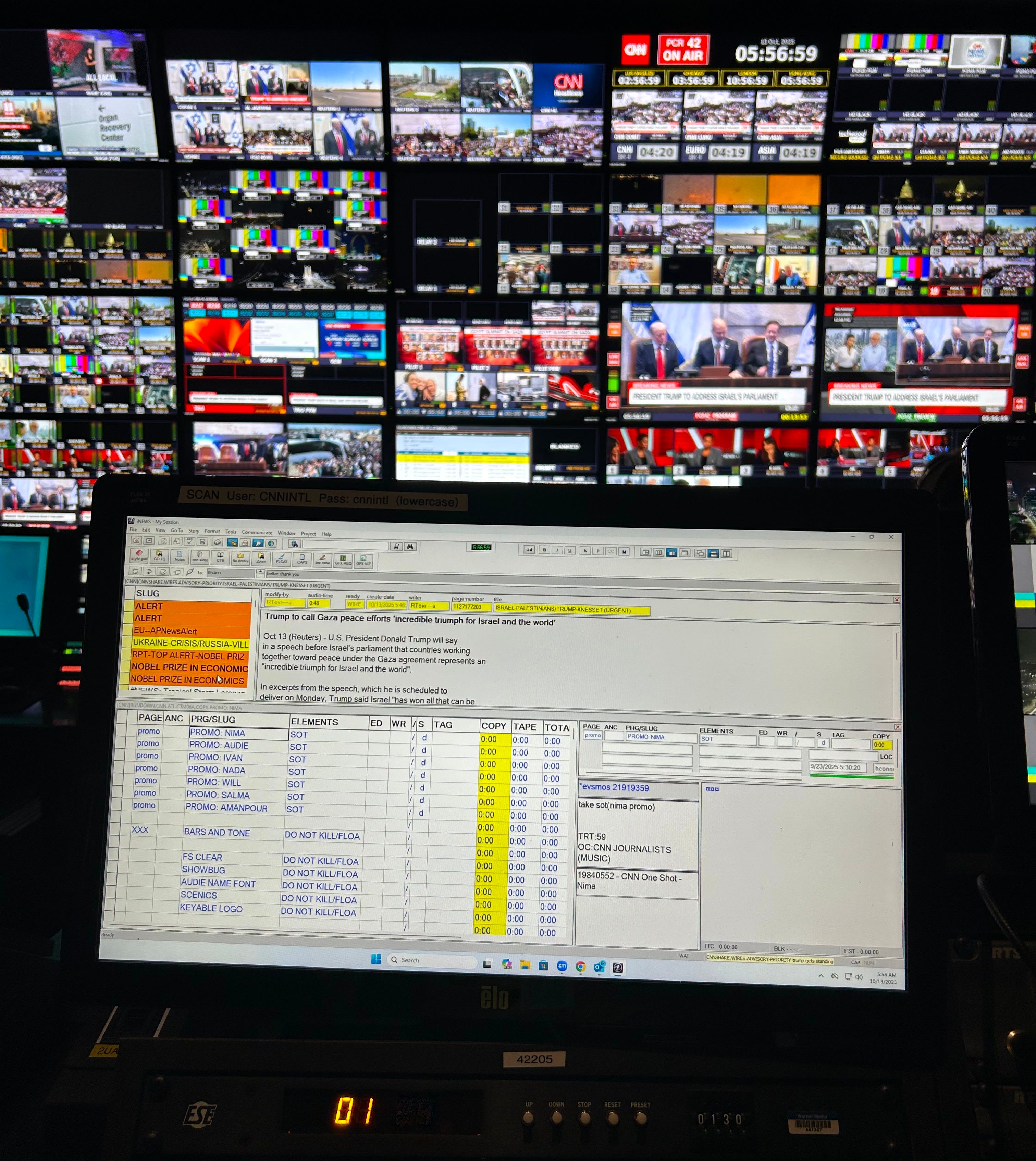
I’ve had to prove I was the producer. I’ve had to prove I belonged in the room. I’ve had to prove I was qualified enough, experienced enough, prepared enough.
Sometimes I’ve had to prove I was grieving. Sometimes I’ve had to prove I was struggling. Sometimes I’ve had to prove I was carrying more than anyone could see.
There is a particular exhaustion that comes from constantly supplying evidence of your own existence.
Journalism has only sharpened that feeling. Our work disappears almost as quickly as it arrives. Millions of people can watch a story you spent weeks producing. They absorb the reporting, form opinions, argue about it online, and move on before you’ve even caught your breath.
Tomorrow there will be another show. Another headline. Another crisis. The work keeps moving. So do we.
The irony is that journalists spend our careers making sure other people’s names are correct. We check spellings. We verify titles. We fight over attribution. We understand that credit matters because history begins with getting the record right.
Then I opened my own profile, and history had misplaced me. The newsletter I’ve poured pieces of myself into appeared to have no relationship to me at all.
My subscribers were gone. The writers I followed were gone. The bylines were gone.
For a brief moment, the platform looked at years of work and shrugged. There is something painfully modern about that. Technology remembers everything until it doesn’t.
A server hiccups. A database loses a connection. An account becomes detached from a profile. Suddenly, the record no longer matches reality.
I couldn’t stop thinking about how often that happens to people. Not in software. In life.
How many caregivers disappear inside the care they provide? How many women spend decades doing invisible labor that no résumé captures? How many journalists shape conversations while their names are forgotten before the next news cycle begins?
How many people quietly become footnotes in stories they helped write?
Being unheard isn’t always loud. Sometimes it looks like someone interrupting you. Sometimes it looks like being ignored in a meeting. Sometimes it looks like opening a website you’ve trusted for years and discovering that, according to the platform, you were never really there.
I know my subscribers exist. I know the essays exist. I know the people who have written to tell me they found comfort in something I published exist. The evidence is real even if one profile page temporarily forgot it.
Maybe that’s the lesson I’m trying to hold onto. Identity can’t depend entirely on systems built by other people. Not employers. Not platforms. Not algorithms. Not even audiences.
Those things matter. They shape opportunities. They open doors. They amplify voices. But they are imperfect historians.
Eventually, Substack will fix the bug. My profile will reconnect. The numbers will return. The publication will once again belong to its owner.
What I hope we don’t do is wait for software to remind us that we matter. Some of the most important people in our lives spend years wondering whether anyone sees what they’ve built.
Sometimes the database is wrong. Sometimes the culture is. Either way, the feeling is the same. For a moment, you wonder whether the world forgot you existed. Then you remember something the software never could.
You were here. You did the work. And no bug gets the final edit.

 | A guest post by
|